
Slope Stabilization with Gabion Revetments
Slope Stabilization with Gabion Revetments
Stabilization of slopes is a crucial element in a variety of infrastructure and civil engineering projects, particularly in areas that have slopes, hillsides, or embankments. Gabion revetments are a reliable and long-lasting solution to stabilize slopes and stopping soil erosion due to rainwater, runoff water or natural movements of ground.
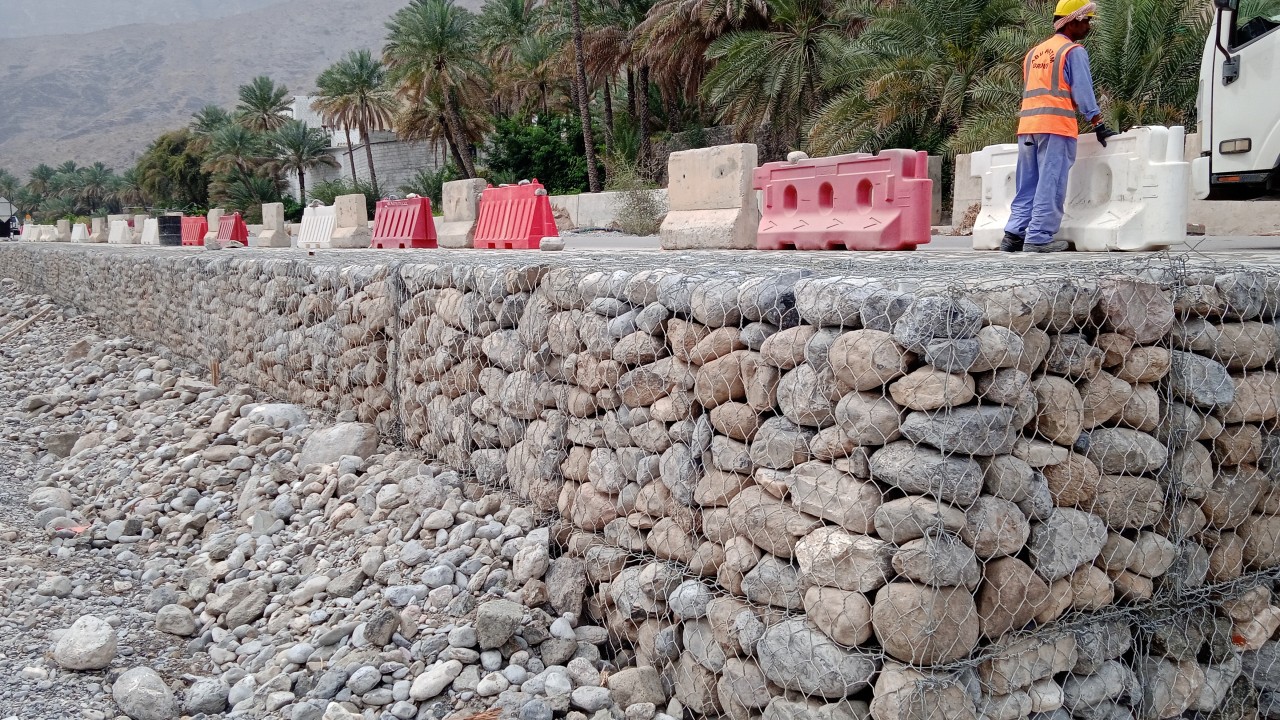
Gabion revetments are built using sturdy wire mesh gabion mattress or baskets that are filled of natural rocks. These structures are set on slopes to form an extra layer of protection that strengthens the soil and wards off erosion or landslides. Due to their elasticity and permeability, gabion revetments have been frequently used in highways and canals, railways, riverbanks and hillside stabilization projects.
Their capacity to blend strong structural structure and naturally draining makes the gabion revetments among of the most durable slope protection systems employed in modern infrastructure construction.
Importance of Slope Stabilization
The slopes of slopes are particularly susceptible to instability and erosion due to environmental influences like heavy rainfall, water runoff, wind and the movement of ground. If slopes are not properly protected, they could collapse or slide leading to severe destruction to buildings, roads and infrastructure.
Gabion revetments aid in strengthening the slopes by creating a sturdy rock-filled structure which holds the soil in place, while allowing the water to flow naturally. This helps prevent the accumulation of pressure on the slope and drastically reduces the risk of landslides.
The versatility of gabion systems also permits them to adapt to small ground settlements and soil movements, which ensures stability over time even in the most difficult terrains.
Key Benefits for Slope Protection Projects
Effective Soil Erosion Control
Gabion revetments guard slopes against erosion caused by rainfall or flowing water as well as the forces of nature. The structure is made of stone and absorbs the effect of water flow and reduces soil movement.
Flexible Structural Design
Contrary to concrete systems that are rigid gabion revetments can be flexible and adjust to the movement of the ground without breaking or cracking. This flexibility guarantees long-term performance even in soil conditions that are unstable.
Excellent Drainage Properties
The gabion’s permeable revetments lets water flow through the stones with ease. This natural drainage keeps the pressure of hydrostatics from building up in the area behind the building.
High Durability
Gabion revetments are constructed by using galvanized or PVC-coated steel wire mesh that gives a robust resistance to environmental damage and corrosion.
Cost-Effective Solution
As compared to traditional methods of slope stabilization, such as reinforced concrete walls gabion revetments are much less expensive to build and maintain.
Environmentally Friendly
As time passes, vegetation will be able to grow between stones which can strengthen the slope and permitting it to integrate with the surrounding surroundings.
Common Applications of Gabion Revetments
Gabion revetments are frequently utilized in a variety of project designs for slope stability and erosion control such as:
- Stabilizing roads and highway embankments
- Protection of railway slopes
- The prevention of landslides on hillside areas
- Stabilizing riverbank slopes
- Reinforcing drainage channel and canal sides
- The dam slopes are protected as well as the edge of reservoirs
- Embankments supporting bridge approach embankments
- Stabilizing construction site slopes
Why Engineers Choose Gabion Revetments
Gabion revetments are favored by infrastructure planners and engineers because they offer a blend of strength, flexibility and sustainability for the environment. The ability to adjust to the terrain’s natural conditions is what makes them more durable than rigid structures used in many project for slope safety.
In addition gabion systems can be installed quickly and require only minimal maintenance during their lifetime. Utilizing locally-sourced stones can also lower cost of construction and increases efficiency.