
Gabion Retaining Walls for Roads and Highways
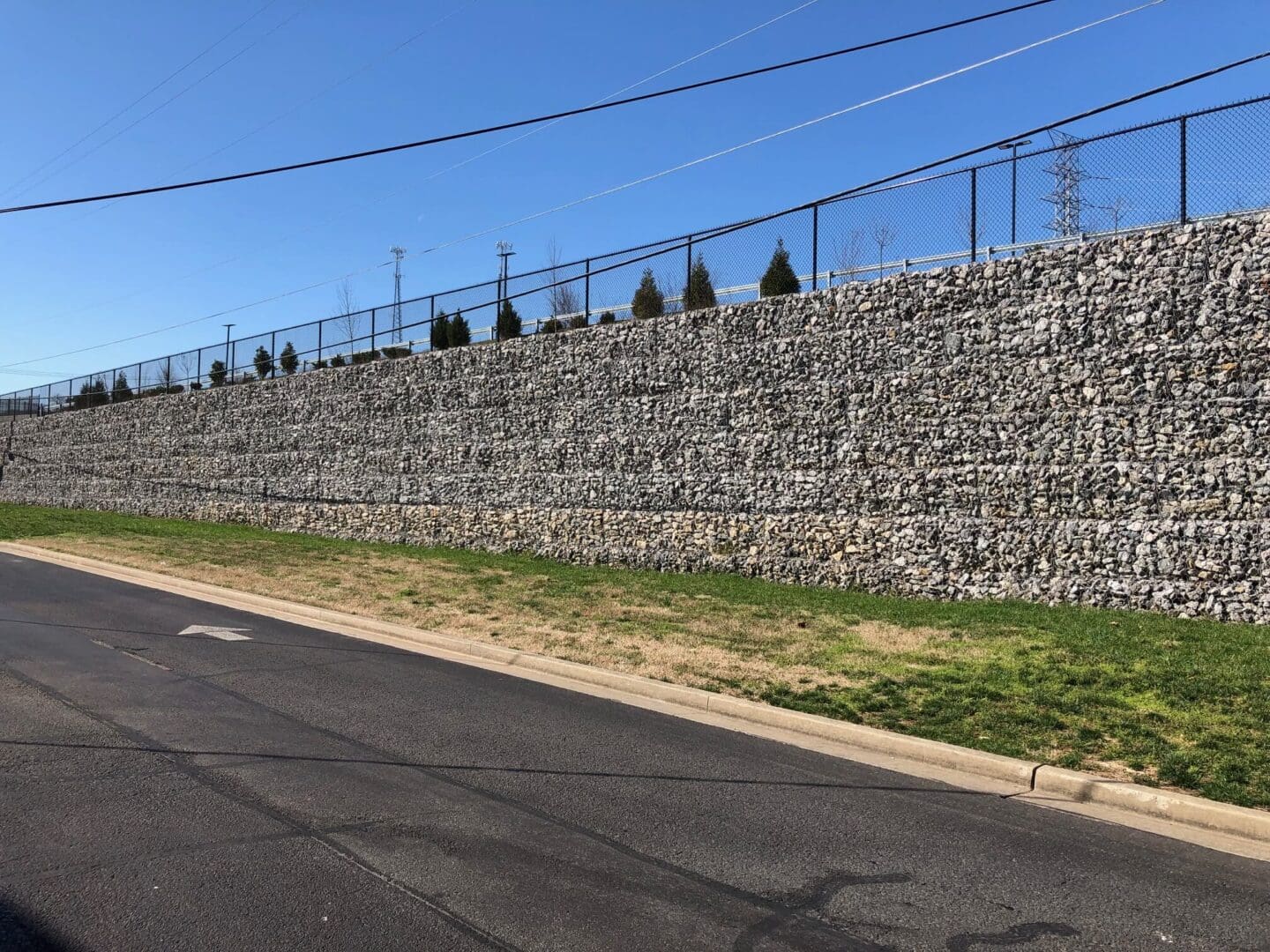
Gabion Retaining Walls for Roads and Highways
Gabion walls are commonly utilized in highway and road infrastructure projects to offer effective stability of slopes, retention of soil in addition to erosion management. They are constructed using sturdy gabion baskets made of wire and filled with sturdy stones, they form flexible and permeable retaining structures that protect embankments from erosion and roads from erosion as well as water damages.
In the modern world of transportation engineering gabion retaining walls are regarded as a safe and economical alternative to concrete walls for retaining. They can adapt to changes in the ground, coupled with the excellent drainage properties make them suitable for mountain roads, highways bridges, road embankments.
Importance in Road and Highway Construction
Highways and roads are usually constructed over a variety of terrains, like hillsides, valleys and soil areas that are unstable. In these locations wall retaining is necessary to stabilize the soil and to prevent landslides from causing embankment collapse.
Retention walls from Gabion play an vital function for stabilizing roads through retaining soil and stopping erosion triggered by rain and runoff water as well as naturally occurring ground movements. Their elasticity allows them to stand up to high loads and pressure from the environment without fracturing or collapse.
In addition, the permeable quality of gabion walls permits water to flow through the stone, which reduces the hydrostatic pressure that is within the walls. This improves structural security and durability in comparison to solid retaining structures.
Key Benefits for Highway Projects
High Structural Stability
Gabion retaining walls offer excellent capacity for load bearing and stability. When filled with stone, the gabion baskets are connected to provide a durable and sturdy structure that is able to withstand the weight of high soil pressure on roadsides.
Flexibility to Handle Ground Movement
In contrast to concrete walls that are rigid gabion walls are flexible and are able to accommodate slight ground movement and shifting without causing structural damage. This is particularly important in areas susceptible to earthquakes or ground movement. activity.
Superior Drainage Performance
The gabion’s stone-filled structure permits water to flow naturally, which prevents water accumulation in the walls. This ability to drain water decreases hydrostatic pressure, and lowers the possibility of wall collapse.
Long-Term Durability
Gabion walls are constructed with galvanized or PVC-coated steel mesh that is resistant to corrosion as well as environmental damage. This guarantees a long-lasting service even in the harshest outdoor conditions.
Cost-Effective Construction
Walls made of gabion require less preparation, and typically can be constructed with local stones, which can reduce the construction cost. They also require little maintenance in the long run.
Environmentally Friendly Design
As time passes, vegetation may be established within the gabions made of stone which allows it to integrate with the landscape around it and enhance sustainability in the environment.
Common Applications in Roads and Highways
Gabion walls are utilized in a variety of areas of highway and road construction, such as:
- Stabilizing road embankments
- Supporting highways built along hillsides
- To protect roads from landslides
- Reinforcing bridge approaches
- Preventing soil erosion near highways
- Stabilizing slopes on mountain roads
- Drainage channels that support the roads
- Guarding bridge foundations and culverts
Why Gabion Retaining Walls Are Preferred
Civil engineers and developers of infrastructure choose gabion retaining walls in highway projects since they offer the strength along with flexibility, strength, and durability. They work exceptionally well in places where traditional rigid walls can crack due to pressure from soil as well as ground motion.
Additionally, gabion systems can be set up quickly and do not require heavy equipment, which makes them ideal for highway projects of a large scale as well as smaller road development projects in rural areas.