
-
By Admin
-
February 24, 2026
- 0 Comment
Best Practices for Installing Gabion Baskets on Slopes
Instabilities in slopes and soil erosion are common issues for construction and infrastructure projects. Slopes in the vicinity of railroad lines, construction sites and other structures are frequently exposed to rain as well as runoff water and the natural movement of ground. If they are not properly stabilized slopes, they can cause landslides, soil erosion, and damage to structures nearby.
The most secure methods employed in the field of modern civil engineering involves the use Gabion Baskets. The wire mesh containers that are filled with stones form strong retainers that keep soil and allow natural drainage. Gabion systems are commonly utilized for road construction, slope protection and riverbank stabilization due to their tenacity and flexibility.
Many construction companies prefer working with a skilled gabion boxes manufacturer to ensure the highest quality of products and long-lasting performance. If correctly installed, gabion baskets offer effective erosion control as well as long-term stability to slopes.
Understanding Gabion Baskets for Slope Protection
Gabion baskets are wire mesh rectangular containers constructed of galvanized or PVC coated steel wire. They are constructed on the spot and then filled with stones to create an extremely sturdy retaining structure.
If placed on slopes, gabion baskets stop soil movement, and also protect the soil from erosion caused by rainwater or moving water. Their permeable structure allows water to drain out of the stones naturally, thus reducing the hydrostatic pressure that is on the building.
Gabion systems are extensively used in construction projects around the world, and include gabion wall retaining walls India construction projects to build riverbanks, highways, as well as canal security.
Conduct a Proper Site Assessment
Before installing gabion baskets an extensive site analysis must be conducted. Engineers must consider the slope angle, soil type as well as water flow patterns and erosion risk.
This evaluation helps determine the best method of design and installation for the gabion structure. A well-planned plan will ensure that the structure is able to withstand the pressure of soil, environmental stress as well as the flow of water throughout time.
Prepare a Stable Foundation
A solid and well-constructed foundation is crucial for gabion constructions that are placed on slopes. The surface of the ground must be leveled, then compacted to ensure a solid base.
In many construction projects the layer of gravel or crushed stone is placed under those gabion baskets. This aids in drainage and keeps the structure from sinking unevenly.
For slopes that are steep, geotextile fabric can also be placed beneath the foundation to avoid soil erosion and to increase the stability of the foundation.
Use High-Quality Gabion Wire Mesh
The longevity of a gabion construction largely is determined by the quality of wire mesh that is used. The best quality galvanized or PVC coated steel mesh is resistant to environmental damage and corrosion.
Double-twisted hexagonal wire meshes are widely utilized because it provides excellent durability and elasticity. Even if one broken wire occurs, it will not break.
When choosing the right materials contractors usually evaluate gabion wire mesh prices in conjunction with the strength of wire as well as coating thickness and durability in order to determine that they get the best price for their venture.
Proper Assembly of Gabion Baskets
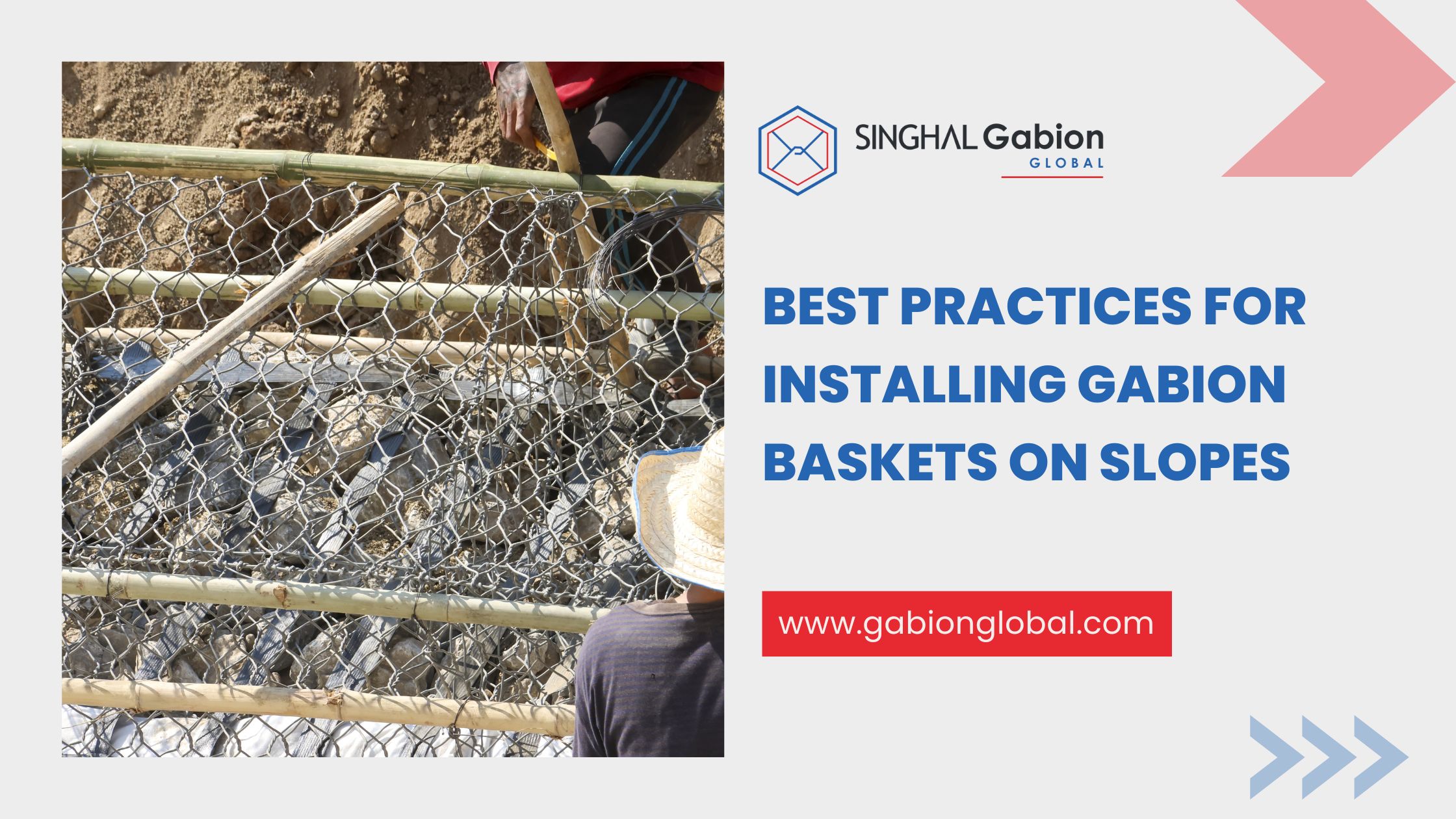
Gabion baskets need to be erected in accordance with the specifications of the manufacturer. Mesh panels are usually joined by lacing wires or spiral bindingers.
While assembling, it’s crucial to make sure that all edges and corners are properly connected. This helps prevent deformation after your baskets have been filled.
Internal bracing wires can also be used to keep the shape of the basket and to prevent the basket from bulging.
Correct Stone Filling Techniques
The gabion baskets play a crucial part in the durability and strength of the structure.
Stones must be strong that is resistant to deterioration. The most common materials are granite basalt, limestone, or granite. The size of the stone must be bigger that the openings in mesh in order to keep them from falling out.
For a better structural performance as well as aesthetic appearance, bigger stones are generally placed on the exterior surfaces and smaller stones are put within the basket.
Install Gabion Baskets in Layers
In slope stabilization projects gabion baskets are usually used in layered or stepped arrangement. This arrangement allows soil pressure to be distributed evenly and enhances the overall stability of the structure.
The bottom layer should be secured on the ground. The additional layers are then placed over and joined to the baskets below to create a sturdy retention structure.
This design is typically used for highway embankments and gabion wall retaining walls India projects that have slopes that require a long-term reinforcement.
Ensure Proper Drainage
One of the major advantages for gabion construction is the ability to drain naturally. However, proper drainage design is still important during installation.
Geotextile fabric layers can be placed in the structure behind gabion in order to keep soil particles from washing away and allowing water to flow through.
The drainage system lowers the pressure of hydrostatics and increases durability of the slope over time.
Regular Inspection and Maintenance
While gabion systems need very low maintenance, periodic checks help to ensure their long-term effectiveness.
Engineers should look the condition of wires and cables, dislocated stones or soil erosion around the structure. A quick fix for minor problems can help ensure structural integrity and helps avoid more serious issues in the future.
If properly installed and maintained Gabion slope stabilization systems are able to last for decades.
Benefits of Gabion Baskets for Slope Stabilization
Gabion baskets have many advantages to construction and infrastructure projects.
They are a great erosion control by shielding the slope’s surface from damage caused by water. Their flexible design lets them adapt to soil movements without breaking or bursting.
Gabion systems can also provide natural drainage, which reduces the pressure of hydrostatics and enhancing the structural stability.
Furthermore they are eco sustainable because plants can grow within the stone, allowing them to blend into the landscape around them.
FAQs
Q1. What’s the function of a gabion box manufacturer in the context of infrastructure projects?
A gabion boxes producer creates premium wire mesh baskets that are designed for the construction of retaining walls protecting riverbanks, riverbank protection, as well as slope stabilization. Selecting a reputable manufacturer will ensure durability of the materials, a proper coating, and a long longevity for gabion-based structures.
Q2. What factors influence gabion-wire price?
The cost of gabion wire is contingent on many variables, including the diameter of the wire, the zinc coating thickness and mesh size, PVC coating and order quantity. A higher corrosion resistance and a stronger wire generally increase the price but they also increase the durability.
Q3. Where can gabion-based walls be found? often used in India?
Gabion wall retaining India project are extensively employed for highway development, protection of riverbanks canal lining, railway embankments along with hillside stabilization. They are favored because of their cost-effectiveness, flexibility as well as their long-term durability.
Q4. How long will gabion slope stabilization systems last?
Quality gabion structures made from PVC-coated or galvanized mesh could last for 30 to 50 years or more subject to the environmental conditions and their maintenance.
Conclusion
Gabion baskets are among the most efficient solutions for stabilizing slopes and erosion control in the modern civil engineering. Their stone-filled structure gives solid support, while also allowing natural drainage and integration with the environment.
But, a successful installation requires careful planning and a thorough understanding of methods of construction. Conducting a thorough site inspection as well as preparing a strong foundation using top-quality mesh materials, and adhering to proper installation procedures are vital to guarantee long-term performance.
Following these guidelines Engineers and contractors can construct sturdy gabion slope stabilization solutions which protect infrastructure and stop soil erosion for a long period of time.