
-
By Admin
-
February 7, 2026
- 0 Comment
Gabion Landscaping Ideas for Modern Urban Projects
Urban landscapes are changing rapidly as cities strive to create environmentally sustainable, durable and attractive design solutions. Modern urban developments now require landscaping materials that blend strong structure with natural aesthetics, as well as environmental advantages. One such unique solution that is widely utilized in contemporary landscaping and architecture is gabion constructions.
Gabion systems, constructed of sturdy wire mesh containers stuffed by natural stone, have been an increasingly popular option for urban planners, architects and landscape designers. They are a unique mix of permeability, durability, and aesthetic appeal that conventional materials typically aren’t able to provide.
For decorative gardens or seats, fences for boundary or for artistic landscape features, gabion structures provide the best of both worlds to urban areas. Materials like hexagonal mesh of gabion, double twisted gabion mesh and PVC-coated gabion mesh give the durability required for durable landscaping projects.
In urban areas in which space is scarce and sustainability is paramount gabion landscaping provides eco-friendly and practical solutions that improve both public and private areas.
Why Gabion Landscaping is Popular in Modern Urban Design
Gabion landscaping has been gaining a lot of attention in recent years as it blends structural engineering and natural elements of design. The stone-filled wire baskets produce attractive textures while serving a purpose, such as erosion prevention, border support as well as decorative architectural design.
In contrast to traditional concrete structures gabions permit water to be able to drain naturally through the stone to prevent water buildup and enhancing soil stability. This makes them appropriate for public parks, urban pathways, rooftop gardens and contemporary residential projects.
Its flexibility double-twisted gabion mesh also permits gabion structures to adjust to minor changes in ground without cracking making them very robust for long-term installations.
In addition, gabion landscaping blends well with greenery and plants. In time, plants will develop within the stone, forming an unnatural living landscape that increases the urban biodiversity.
Gabion Retaining Walls for Urban Landscapes
The most popular uses for gabions used in landscaping for cities is in the creation of retaining walls that are decorative. They are utilized in residential complexes, parks and public spaces to reduce variations in elevation while also providing aesthetic value.
Gabion retaining walls are constructed in a variety of dimensions and sizes based on the specifications of the project. The natural stone filler creates a rough appearance that works well with contemporary designs in architecture.
The use of hexagonal wire mesh to construct these structures provides flexibleness as well as structural strength. The mesh design keeps the stones in place and allows water to flow through, thus preventing any pressure buildup within the wall.
Retention walls like these not only help stabilize slopes, but they also provide attractive landscaping elements in urban settings.
Decorative Garden Walls and Outdoor Seating
Gabion structures are also utilized to create beautiful garden walls as well as outdoor seating areas in urban landscapes.
In communities of residence and public park areas, the gabion wall may be constructed at a suitable level to be used as benches to sit on. When they are topped off with concrete or wood slabs, these structures can create comfortable and attractive seating areas for guests.
The natural stones in the gabions provide the area with a the appearance of a rustic but modern style and make them an excellent design for contemporary urban styles.
To ensure durability over time Many designers choose PVC-coated gabion mesh for its resistance to corrosion and protects against environmental elements.
Gabion Fencing and Boundary Walls
Gabion fencing is increasingly well-known in urban developments as a contemporary alternative to concrete or brick wall boundaries.
Gabion fences are strong and secure and a pleasing and natural look. They are typically utilized in commercial structures as well as residential properties gardens, public parks.
The building is typically made up of small gabion columns, or panels that are filled with stones. The panels can be laid out in unique patterns to enhance the overall design of the landscape.
With durable materials such as double-twisted gabion wire fences remain sturdy and long-lasting even in the harshest weather conditions.
Gabion Planters and Green Landscaping Features
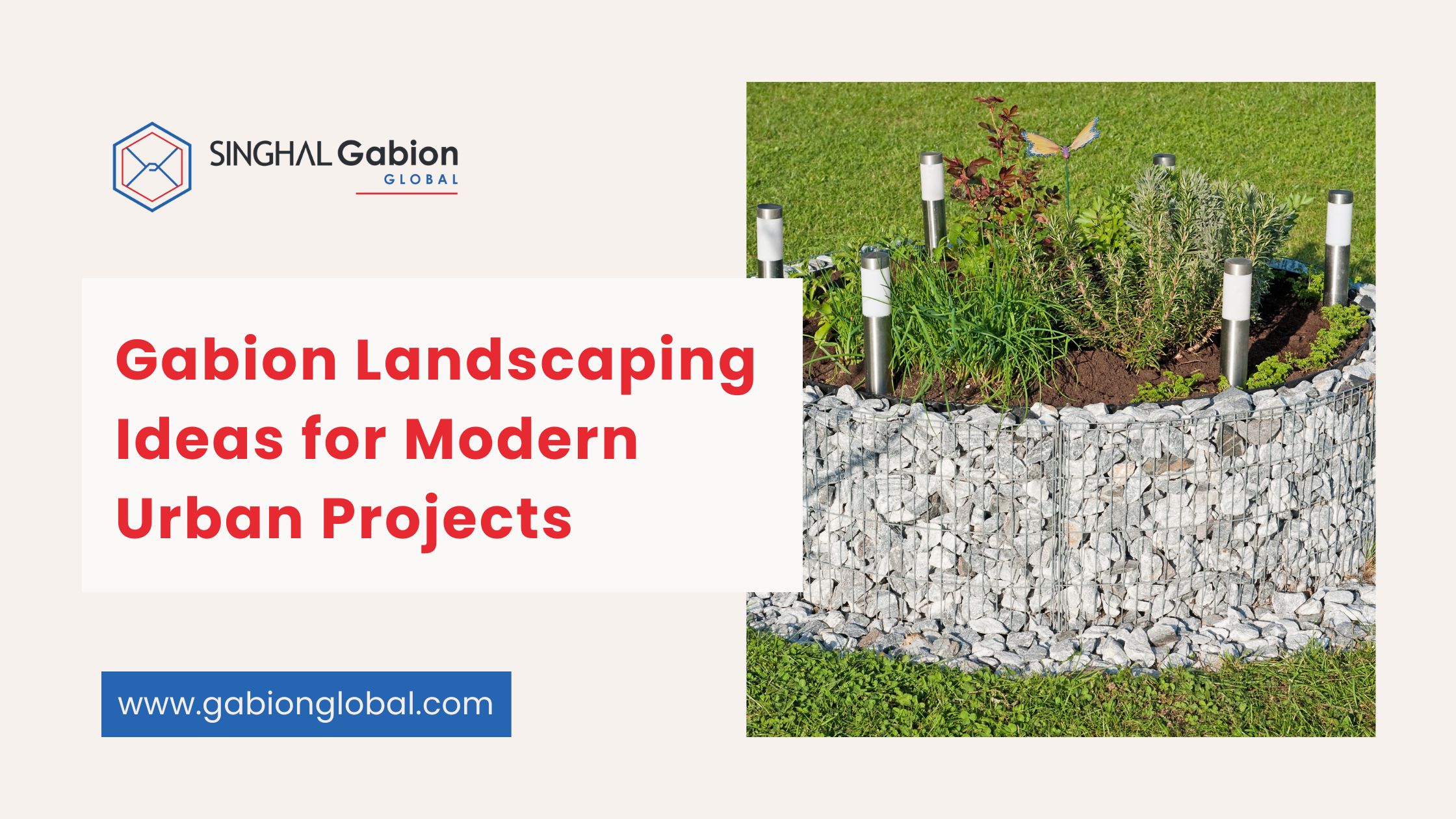
Another innovative use for gabions in contemporary urban projects is the creation of gabion planters.
These structures are made up of stone and gabion walls with soil pockets to plant flowers and shrubs or smaller plants. Gabion planters are typically placed along paths, parks as well as for building entrances to add greenery to urban settings.
They do not just add visual value, but they also improve the quality of air and improve urban aesthetics. Because the stones permit natural drainage, plants get proper aeration and water flow.
Utilizing the hexagonal mesh of gabion for planters provides durability and flexibility and allows them to withstand the effects of weather and pressure.
Gabion Water Features and Decorative Structures
Designers of urban landscapes are increasing including gabions in water features like artificial waterfalls, fountains, and water channels that are attractive.
The natural stones in the gabion structures make an appealing visual contrast with flowing water. They are commonly employed in parks for public use as well as luxury residential developments as well as commercial landscaping.
In these environments the corrosion-resistant materials such as PVC-coated gabion mesh are widely employed to guarantee long-term performance in humid conditions.
The water features of Gabion offer an unique combination of natural elements and modern technology that improves the aesthetics in urban areas.
Environmental Benefits of Gabion Landscaping
Beyond aesthetics In addition to aesthetic appeal, landscaping with gabion also offers many environmental benefits.
Gabion structures facilitate naturally draining, which can help to prevent the accumulation of water in the soil and slows erosion. Their permeable design permits rainwater to easily flow through and reduce the amount of runoff that is absorbed by surfaces in urban areas.
They also encourage the growth of vegetation within the stone, thereby creating green areas in urban areas. The natural integration enhances biodiversity and increases the environmental value of urban areas.
Furthermore, gabions usually make use of locally-sourced stones, which reduces the environmental impact and costs of transportation.
These advantages make gabion landscaping an the perfect choice for sustainable urbanization.
FAQs
Q1. What exactly is hexagonal gabion mesh employed as a landscaping material?
Hexagonal gabion mesh is utilized to construct gabion baskets that are flexible for wall retaining, garden structures and erosion-control systems. The double-twisted design gives it solidity while it allows the structure to adjust to the movement of the ground.
Q2. Why is double-twisted gabion mesh a popular choice in urban construction?
Double-twisted gabion has a great durability and flexibility. Even if one of the wires breaks the mesh will not break, which makes it perfect for landscaping and structural purposes.
Q3. What are the benefits from PVC covered gabion mesh?
Gabion mesh coated with PVC offers extra protection from moisture, corrosion and the harsh conditions of the environment. This makes it ideal for landscaping projects outdoors especially in areas that are subject to high humidity or water.
Q4. Are gabion structures suited for landscaping homes?
Gabion structures are extensively used in landscaping for residential use for gardens, walls as well as planters, seating spaces and other decorative elements. They offer a modern and natural look while providing sturdy structural support.
Q5. How long will gabion landscaping structures last?
Quality gabion structures made of galvanized, or Gabion mesh coated with PVC can last for 30-to-50 years or longer subject to the conditions in the environment and care.
Conclusion
Gabion landscaping is revolutionizing how urban spaces are planned. Combining natural stone beauty and strong grids of wire, they provide an array of options for garden walls, retaining walls, features fences, seating areas and even decorative installation.
Materials like hexagonal wire gabion mesh, double twisted gabion mesh and PVC coated gabion wire mesh make sure that the structures are strong, durable and immune to environmental elements.
While cities continue to concentrate on green infrastructure and attractive landscapes gabion systems are predicted to play a growing role in urban design.
Their toughness, flexibility and natural appearance are the best choice to modern landscape projects across the globe.